
A Homeowner's Guide to Safe Underground Utility Trenching
Upgrading your outdoor living space often requires running new power or water lines, especially as more homeowners invest in smart-home integrations, detached home offices, and expanded outdoor entertainment areas. Whether you are adding landscape lighting, running conduit to a new outbuilding, or improving your yard's water management, a successful project starts below the ground. However, taking on these projects in the Chattanooga area means dealing with specific terrain challenges and weather considerations.
Navigating these challenges requires careful planning, proper equipment, and a deep understanding of local soil and regulations. Unlicensed operators might offer a quick fix, but cutting corners on excavation can lead to severe property damage, safety hazards, or project delays. This underground utility trenching process homeowner guide is designed to help you understand what to expect when hiring professionals for your next outdoor upgrade, ensuring your property remains safe, compliant, and beautifully intact.
Site Evaluation and Route Planning
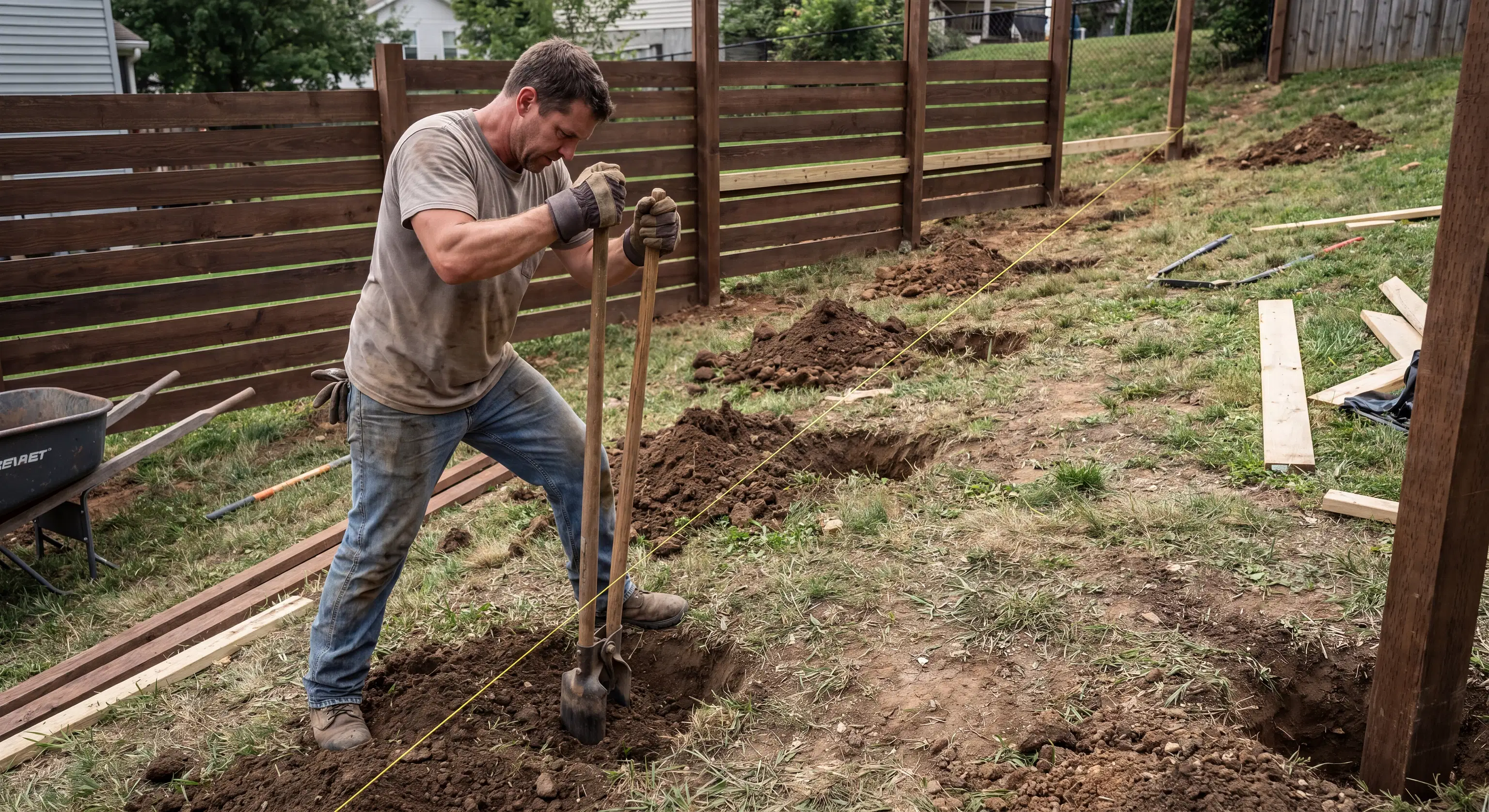
The first step to a successful excavation project is a comprehensive on-site walkthrough. Before a single shovel hits the earth, it is critical to evaluate the proposed trench route, existing drainage patterns, equipment access, and soil conditions. Local terrain can vary wildly; for instance, digging Up on Signal means preparing for tough, rocky chert and heavy clay, which requires specific heavy-duty equipment and techniques to manage effectively.
One of the most common questions we receive is about protecting landscaping during trenching. A meticulous routing plan is essential to avoid disturbing mature trees, delicate root systems, existing hardscaping, and irrigation lines. By sequencing the project logically, professionals can ensure that the excavation process does not destroy the yard you are working so hard to improve.
Safety and compliance are also non-negotiable at this stage. Before any dirt work begins, state law requires contacting Tennessee 811 to mark all existing underground utilities. This crucial step prevents accidental strikes on gas, water, or existing electrical lines, keeping the neighborhood safe and avoiding costly service interruptions. Additionally, depending on the scope of the project and your specific municipality, certain permits may be required. A reputable contractor will handle or advise on these compliance details so you do not have to worry about running afoul of local historic preservation guidelines or municipal codes.

The Trenching and Bedding Process
Once the site is evaluated, marked, and prepared, the actual excavation begins. When digging utility trenches for outdoor electrical lines or plumbing, the depth and width must meet specific building codes depending on what is being buried. For example, electrical conduit typically needs to be buried at a specific depth to prevent future accidental disruption during routine yard work or future landscaping.
After the trench is dug, the bedding phase is vital. Bedding involves placing a layer of appropriate material, such as sand or fine gravel, at the bottom of the trench. This provides a stable, smooth foundation for the pipes or conduit, protecting them from sharp rocks and ground shifting. Given the steep slopes and shifting soils in our region, proper bedding prevents the lines from sagging or snapping over time.
Weather also plays a significant role in timeline management. Wet winter and spring seasons can turn a simple trenching job into a muddy hazard. Professional contractors prioritize safety and project quality over rushing a job. If heavy rains risk compromising the grading or soil compaction, the best course of action is to pause work, communicate proactively with the homeowner, and resume when conditions allow for high-quality, lasting results. Proper drainage & trenching techniques ensure that once the trench is backfilled, it does not become a new channel for water runoff that could erode your yard or threaten your foundation.
Backfilling, Compaction, and Final Cleanup
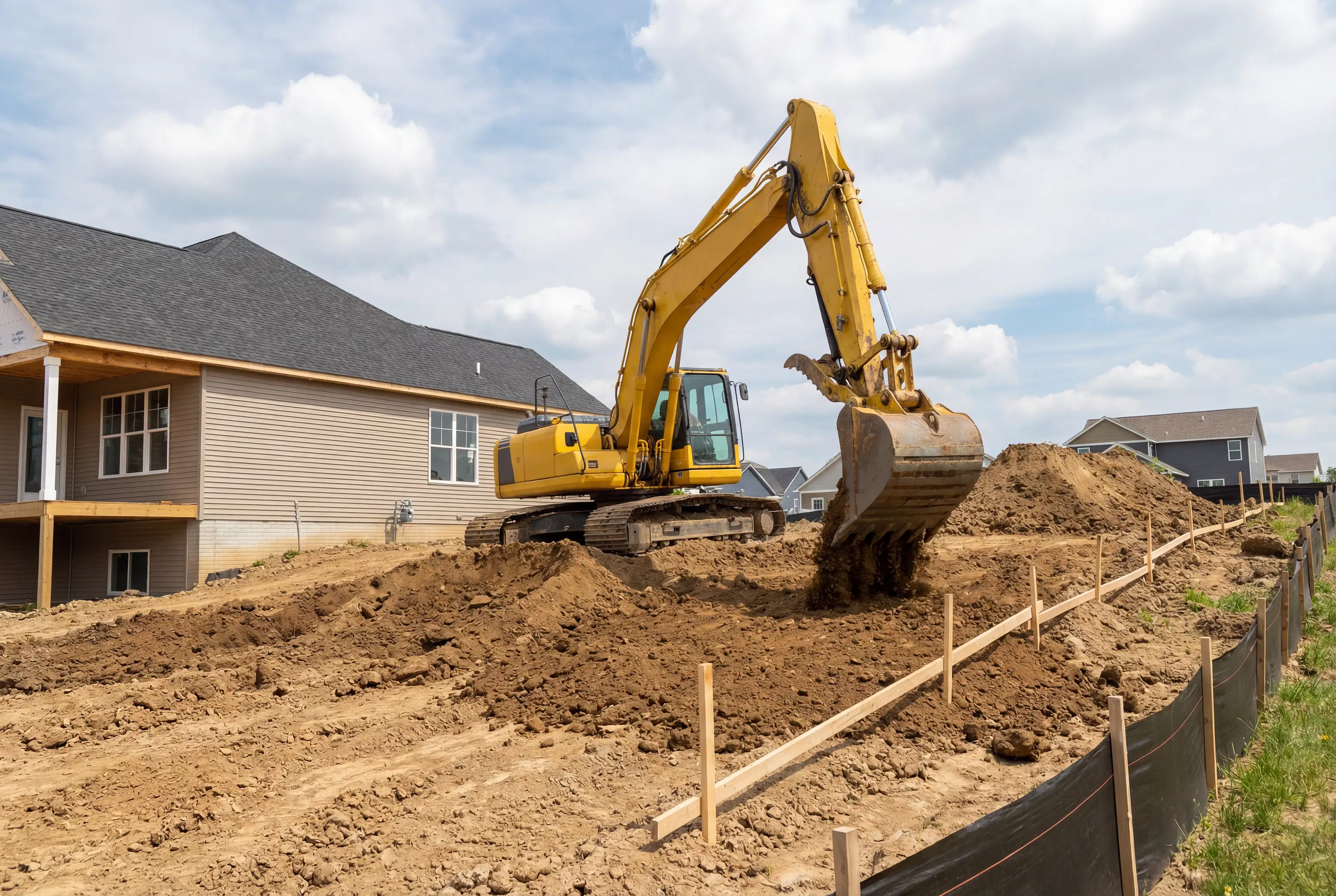
The final phase is just as important as the dig itself. Backfilling isn't simply pushing dirt back into a hole; it requires carefully replacing the soil in layers and compacting it at each stage. Proper compaction prevents the ground from settling later, which could create unsightly, hazardous depressions in your lawn. Restoring the surface to its original grade ensures that your yard's natural water flow is maintained.
Handling complex site preparation and excavation requires a contractor who values honesty, integrity, and reliable craftsmanship. You want a team that looks at the big picture, ensuring that your new utility lines integrate perfectly with your existing property features.
If you are planning an outdoor upgrade in the Tennessee Valley and want to ensure the groundwork is done right the first time, we are here to help. From comprehensive property maintenance to specialized excavation, JM Precision Home Services delivers long-lasting solutions with transparent communication every step of the way. Reach out through our contact us page to schedule a site walkthrough and get your project started on solid ground.